Modern bakeries and cafés offer not only baked goods in the establishment, but also the option to order delivery or takeaway. To ensure the safety of the goods, special packaging is usually used to keep the baked goods fresh and prevent damage during transport. Cake containers for bakeries can be made from a variety of materials, each of which offers specific benefits in terms of durability, presentation, sustainability and cost. The choice of material depends on factors such as the type of product, transportation needs, environmental policies and the desired brand image. Five most common materials are listed below:
Plastics
Plastics such as polyethylene terephthalate (PET), polypropylene (PP) and polystyrene (PS) remain some of the most common materials for cake containers. These plastics are lightweight, transparent and durable, providing excellent visibility and protection for decorated cakes. PET is favoured for its clarity and recyclability, making it ideal for premium packaging, while PP offers good heat and impact resistance. Plastic containers often feature secure locking lids and compartmentalised bases to prevent cakes from shifting during transport. However, environmental concerns have prompted many bakeries to seek alternatives to single-use plastics.
Paperboard and cardboard
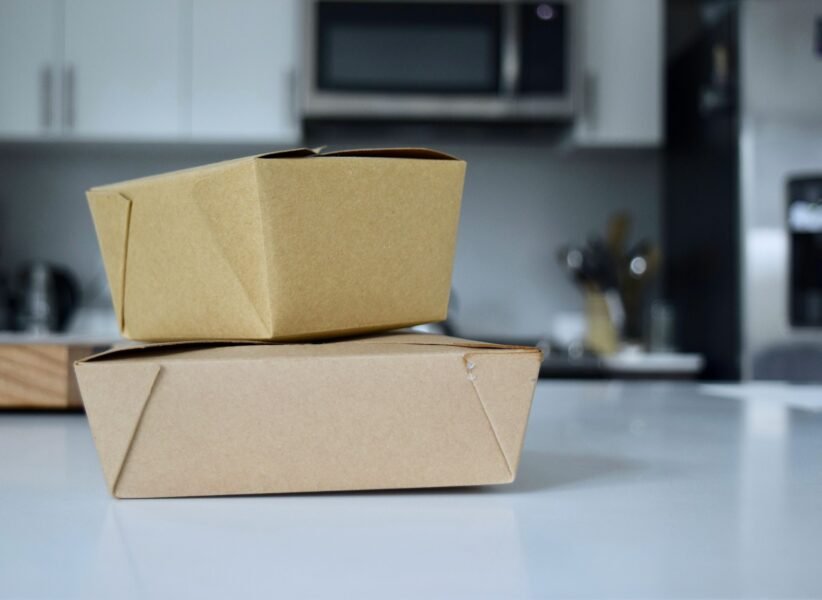
Paperboard and cardboard are becoming increasingly popular due to their eco-friendly qualities and customisable appearance. They can be coated with food-safe layers to resist grease and moisture, ensuring structural integrity while maintaining biodegradability. Cardboard cupcake shipping boxes are ideal for whole cakes and pastries, allowing for easy branding with printed logos, colours or window cut-outs to display the product. Rigid paperboard provides a balance of strength and recyclability, aligning with the growing consumer preference for sustainable packaging.
Biodegradable materials
Biodegradable and compostable materials, such as bagasse (a by-product of sugarcane processing) and moulded pulp, are becoming increasingly popular as environmentally friendly alternatives. These materials are sturdy enough to hold cakes securely and are fully compostable after use. They are particularly appealing to bakeries that want to emphasise their commitment to the environment or achieve eco-certification.
Some bakeries also use bioplastics such as PLA (polylactic acid), which is derived from renewable resources such as corn starch. PLA containers offer the glossy transparency of conventional plastic, yet are compostable under industrial conditions, providing an intermediate solution between functionality and environmental responsibility.
Aluminium
Another material option is aluminium, which is ideal for baked goods requiring heat resistance or extended freshness. Aluminium containers effectively maintain product temperature and are fully recyclable. They are often used for smaller cakes, cheesecakes or desserts that are baked and sold in the same container.