A beautiful garden does not have to demand hours of weeding, watering, mowing and pruning every weekend. Whether you have a small courtyard, a typical British back garden, or a larger outdoor space, thoughtful design can help you create a garden that looks attractive year-round without becoming a constant chore.
The key to a low-maintenance garden is not removing every plant or covering the entire space with paving. It is choosing the right plants for your conditions, reducing unnecessary lawn, improving the soil and designing areas that are easy to look after. The UK’s changing weather, from wet winters to occasional summer droughts, makes these choices especially important.
Here are 15 practical low-maintenance garden ideas for UK homes, along with tips to help you plan a garden that suits your lifestyle.
1. Reduce the Size of Your Lawn
A traditional lawn can be one of the most time-consuming parts of a garden. Regular mowing, edging, feeding and repairing bare patches all require attention, particularly during the growing season.
You do not need to remove your lawn completely. Consider keeping a smaller, simple-shaped area for children, pets or relaxing, and replacing the remaining space with planting beds, gravel or a patio. Straight edges and uncomplicated shapes also make mowing easier.
In a small UK garden, a modest rectangle of grass surrounded by generous borders can look more intentional than a large lawn with narrow planting strips.
2. Choose Easy-Care Perennial Plants
Perennials return year after year, making them an excellent choice for gardeners who want lasting colour without repeatedly buying and planting seasonal bedding.
Reliable options for many UK gardens include hardy geraniums, sedum (Hylotelephium), bergenia, hellebores and ornamental grasses. Once established in suitable conditions, these plants generally need less attention than demanding annual displays.
Choose plants according to your garden’s sunlight, soil and drainage rather than appearance alone. A plant that thrives in the right position will usually require far less watering and intervention than one struggling in unsuitable conditions.
3. Create a Gravel Garden
Gravel gardens are a popular low-maintenance landscaping option because they reduce lawn mowing and can provide excellent drainage when properly designed. They are particularly effective in sunny areas with free-draining soil.
Use a restrained selection of drought-tolerant plants such as lavender, thyme, sedum, alliums and certain ornamental grasses. Allow enough space for each plant to reach its mature size.
Gravel does not eliminate weeds, and it should not simply be laid over compacted soil. Prepare the ground carefully, remove perennial weeds and use an appropriate depth of gravel. Avoid placing impermeable plastic beneath planting areas, as healthy soil needs water and air.
4. Plant Evergreen Shrubs for Year-Round Structure
Evergreen shrubs provide colour and shape even during winter, reducing the need for constant seasonal replanting. They can also create privacy, define borders and make a garden feel established.
Consider plants such as sarcococca, choisya, skimmia, yew or compact varieties of holly, depending on your soil and growing conditions. Many require only occasional pruning once established.
Before purchasing, check the mature height and spread. Choosing a shrub that naturally fits the available space is much easier than repeatedly cutting back one that grows too large.
5. Use Mulch to Suppress Weeds
Mulching is one of the simplest ways to reduce garden maintenance. A layer of organic material, such as composted bark or well-rotted garden compost, helps retain moisture, suppress annual weeds and improve the soil as it breaks down.
Apply mulch to weed-free, moist soil, usually in spring or autumn. Keep it away from plant stems and trunks to prevent moisture-related problems.
Organic mulch will need topping up over time, but this occasional task can save many hours of weeding and watering during the growing season.
6. Replace High-Maintenance Borders with Ground Cover
Bare soil provides an opportunity for weeds to establish. Ground-cover plants help fill gaps, shade the soil and create a more cohesive appearance.
For shady areas, consider epimedium, hardy geraniums or certain varieties of vinca. In sunny, well-drained positions, creeping thyme or low-growing sedums may be suitable.
Check the growth habits of each plant before buying. Some ground covers spread vigorously and may not be appropriate for small gardens or areas where they could escape into surrounding habitats.
7. Design a Simple Patio or Seating Area
A well-designed patio can reduce the amount of planting and lawn that needs attention while providing a practical space for outdoor dining or relaxation.
Porcelain paving, natural stone and concrete slabs are common choices in UK gardens. Each has different costs, installation requirements and cleaning needs. Select a surface that suits your budget and the character of your home.
Good drainage is essential. Paving should be installed with an appropriate fall and drainage solution so rainwater does not collect against the house or create problems elsewhere in the garden. Where possible, choose permeable surfaces or direct water into planted areas.
8. Grow Plants in Large Containers
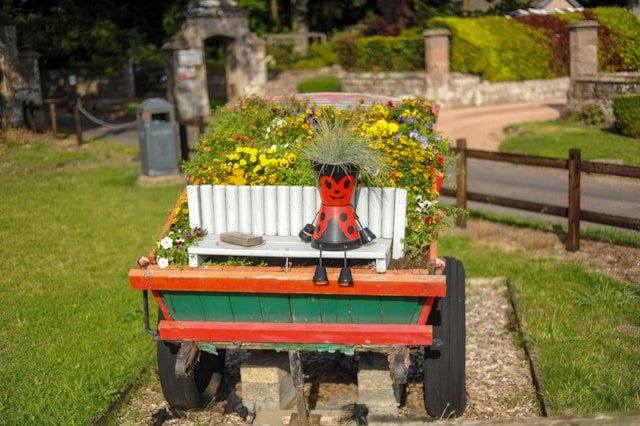
Containers are ideal for small gardens, patios and homeowners who want a manageable amount of planting. Large pots can create an attractive display without the commitment of maintaining extensive borders.
Choose hardy shrubs, compact perennials or ornamental grasses that suit the container’s position. Larger pots generally dry out more slowly than small ones, although all containers require regular checks during warm weather.
Use quality compost, ensure drainage holes are present and avoid overcrowding. Grouping pots can make watering easier and create a stronger visual impact.
9. Install an Efficient Watering System
Watering can become a major task during dry UK summers, especially when you have numerous containers or newly established plants.
A drip irrigation system or soaker hose can deliver water directly to the root zone, reducing waste and saving time. A timer may be useful, but watering should still be adjusted according to rainfall and soil moisture.
Water butts are another practical addition, allowing you to collect rainwater from suitable roof drainage. Newly planted shrubs and perennials will still need attention while their roots establish, even if they are described as drought-tolerant.
10. Choose Slow-Growing Hedges
Hedges provide privacy and wildlife habitat, but fast-growing varieties can require frequent trimming. Choosing a slower-growing hedge can significantly reduce maintenance.
Yew, holly and some compact evergreen shrubs are useful options, depending on the site. Avoid planting a hedge that will become much taller or wider than the space allows.
When selecting plants, consider their eventual size, growth rate, soil requirements, and suitability for your household. Some popular garden plants are toxic if eaten, so check safety information if children or pets use the garden.
11. Create a Wildlife-Friendly Corner
A wildlife-friendly garden does not need to look untidy or require complicated management. A small area with native or wildlife-supporting plants, a shallow water source and a few natural features can provide valuable habitat.
Consider allowing a section of lawn to grow longer, planting nectar-rich flowers or creating a small log pile in a quiet corner. A simple meadow-style area may require fewer mowing sessions, although it still needs appropriate management and removal of cuttings to prevent excessive soil fertility.
Wildlife gardening works best when the planting is suited to the site and invasive species are avoided. Even a small garden can support pollinators and birds through thoughtful choices.
12. Use Raised Beds for Easier Access
Raised beds can make gardening more comfortable by bringing the soil closer to you and creating clearly defined planting areas. They are especially useful for growing herbs, vegetables or a small collection of flowers.
Choose durable materials and make sure the bed is narrow enough to reach the centre without stepping on the soil. Fill it with suitable soil and organic matter rather than relying entirely on lightweight compost.
Raised beds are not maintenance-free; they can dry out more quickly than ground-level beds and may need additional watering. However, their organised layout makes weeding, harvesting and soil care easier to manage.
13. Plant Bulbs for Seasonal Colour
Spring-flowering bulbs are an easy way to add colour without extensive annual planting. Daffodils, crocuses, snowdrops and many alliums can return for several years when grown in suitable conditions.
Plant bulbs at the recommended depth and time for the species, usually during autumn for spring-flowering varieties. Choose naturalising bulbs for lawns or borders if you want a more informal appearance.
Allow foliage to die back naturally after flowering so the bulbs can replenish their energy. This small amount of patience helps encourage reliable displays in future seasons.
14. Keep the Garden Layout Simple
Complicated garden designs often create more work than expected. Numerous tiny borders, awkward lawn shapes, excessive ornaments and too many different plant varieties can make maintenance difficult.
A simple layout with a few generous planting beds, clear paths and repeated groups of plants is easier to care for and often looks more attractive. Repetition creates visual harmony and makes it easier to understand the needs of each planting area.
Think about practical access as well. Leave enough room to move a wheelbarrow, reach hedges and maintain plants without stepping into borders.
15. Choose the Right Plant for the Right Place
The most important low-maintenance gardening principle is matching plants to their environment. Before visiting a garden centre, observe how much sunlight your garden receives, whether the soil is clay, sandy, or loamy, and which areas become waterlogged or dry out.
For example, lavender generally prefers sunshine and free-draining soil, while hostas and ferns are better suited to many shaded, moisture-retentive positions. Trying to force plants into unsuitable conditions leads to extra watering, feeding, pest problems and replacement costs.
Check plant labels and reputable gardening guidance for hardiness, mature size and care requirements. A little research before planting can prevent years of unnecessary work.
How to Plan a Low-Maintenance UK Garden
Start by identifying the tasks you dislike most. If mowing is the problem, reduce lawn area. If watering takes too much time, choose drought-tolerant plants and improve moisture retention. If weeding is the main issue, use dense planting and mulch.
Create a simple plan showing the areas you want to keep, change or remove. Prioritise permanent features such as paths, patios and larger shrubs before adding smaller plants. It is also worth improving the soil and addressing drainage problems before investing in expensive landscaping.
You do not need to transform the entire garden at once. Completing one section at a time allows you to spread the cost and learn which plants perform best in your conditions.
Final Thoughts
A low-maintenance garden is about working with nature rather than constantly fighting it. By reducing unnecessary lawn, choosing suitable plants, using mulch and creating a straightforward layout, you can enjoy an attractive outdoor space with fewer demanding chores.
Every garden will still need some seasonal care, but the right design can make that work manageable and enjoyable. Whether you prefer a modern gravel garden, a wildlife-friendly retreat or a simple patio surrounded by greenery, the best solution is one that fits your home, budget and available time.