Losing weight can feel frustrating, especially when you want to see results quickly. Search online for how to lose weight fast, and you will find countless diets, detox drinks, supplements, and extreme workout programs promising dramatic transformations.
The problem is that losing weight quickly isn’t always the same as losing body fat. A sudden drop on the scale may partly reflect changes in water and stored carbohydrates rather than significant fat loss. Extreme approaches can also be difficult to maintain.
A better strategy is to create habits that help you lose weight at a reasonable pace while protecting your health, energy, and muscle mass.
If you want to lose weight fast in a healthy way, the following strategies can help you get started.
1. Create a Moderate Calorie Deficit
Weight loss generally requires consuming fewer calories than your body uses over time. This is known as a calorie deficit.
However, that doesn’t mean eating as little as possible.
Extremely restrictive diets can leave you hungry, tired, and more likely to abandon your plan. Instead, aim for a moderate calorie reduction that you can realistically maintain.
You can reduce your calorie intake by making simple changes such as:
- Reducing oversized portions
- Limiting fried foods
- Replacing sugary drinks with water
- Eating fewer sweets and highly processed snacks
- Cooking with less oil
- Choosing filling, nutrient-rich foods
You do not necessarily have to count every calorie. For some people, simply improving food quality and controlling portions is enough to reduce overall calorie intake.
2. Eat More Protein
Protein can be particularly useful when you are trying to lose weight.
Protein-rich meals tend to be filling and can help you maintain muscle while losing weight. Preserving muscle is important because your goal should ideally be to reduce excess body fat rather than make the number on the scale smaller.
Good protein sources include:
- Eggs
- Chicken
- Fish
- Greek yogurt
- Cottage cheese
- Lentils
- Beans
- Chickpeas
- Tofu
- Lean meat
Try to include a protein source in each main meal.
For example, instead of only having toast for breakfast, add eggs or yoghurt. Instead of eating plain rice for lunch, pair a smaller portion with chicken, fish, lentils, or beans.
These small adjustments can make meals much more satisfying.
3. Fill Your Plate With Vegetables
Vegetables are extremely useful for weight management because many provide plenty of volume for relatively few calories.
They also supply vitamins, minerals, fibre, and other beneficial plant compounds.
Try vegetables such as:
- Spinach
- Broccoli
- Cauliflower
- Cucumber
- Tomatoes
- Carrots
- Cabbage
- Bell peppers
- Green beans
- Lettuce
A simple approach is to make vegetables a significant part of your lunch and dinner.
You don’t have to survive on salads. You can roast, grill, steam, add to soups, cook in curries, or combine vegetables with protein.
Just pay attention to how you prepare them. Large amounts of oil, butter, cream, or rich sauces can significantly increase the calories in an otherwise light vegetable dish.
4. Reduce Sugary Drinks
If you’re wondering how to lose weight fast without complicating your diet, look at what you drink.
Soft drinks, sweetened tea and coffee, milkshakes, energy drinks, and some packaged juices can add a surprising number of calories without providing the same fullness as solid food.
Consider choosing:
- Water
- Sparkling water without added sugar
- Unsweetened tea
- Black coffee or coffee with minimal additions
- Other low-calorie, unsweetened drinks
You don’t necessarily need to eliminate every sweet drink forever. The goal is to stop liquid calories from becoming an unnoticed daily habit.
5. Choose High-Fiber Foods
Fibre helps make meals more filling and supports digestive health.
Good sources include fruits, vegetables, legumes, oats, whole grains, nuts, and seeds.
Instead of eliminating carbohydrates, focus on improving their quality and portions.
For example, you might choose whole-grain bread instead of highly refined bread or pair rice with vegetables and protein rather than eating a very large serving of rice alone.
Whole fruits are also generally a better choice for fullness than fruit juice because they retain their fibre.
6. Control Portion Sizes
Healthy foods still contain calories.
Nuts, nut butters, cheese, oils, dried fruit, and other nutrient-rich foods can become surprisingly calorie-dense when eaten in large quantities.
You don’t need to weigh every ingredient forever, but learning what reasonable portions look like can be valuable.
Try using a simple meal structure:
Half the plate: vegetables or salad
One quarter: protein
One quarter: whole grains or another carbohydrate source
The ideal proportions can vary depending on your nutritional needs and activity level, but this framework can make portion control easier.
Eating slowly can also help. Your body needs time to register fullness, so finishing meals very quickly can make overeating easier.
7. Walk More Every Day
Exercise doesn’t have to begin with exhausting gym sessions.
Walking is one of the simplest ways to increase daily activity.
Start with 20–30 minutes and gradually increase the duration or pace as your fitness improves. You can also increase everyday movement by taking stairs, doing household chores, walking during phone calls, gardening, or taking short walks after meals.
These activities may seem small individually, but daily movement adds up over time.
If you’re currently inactive, start gradually rather than suddenly attempting intense workouts.
8. Add Strength Training
Cardio can help increase calorie expenditure, but strength training deserves a place in a well-rounded weight-loss plan.
Resistance exercises help maintain or build muscle.
Options include:
- Squats
- Lunges
- Wall push-ups
- Resistance-band exercises
- Dumbbell exercises
- Bodyweight movements
Beginners might start with two or three manageable strength-training sessions per week to allow adequate recovery.
You don’t need to become a bodybuilder. The objective is to challenge your muscles safely and progressively.
People with injuries or medical conditions should seek professional guidance before starting a new exercise program.
9. Get Enough Sleep
Diet and exercise receive most of the attention in weight-loss discussions, but sleep matters too.
Poor sleep can make healthy eating more difficult. When you’re exhausted, convenience foods can become more tempting, workouts may feel harder, and managing appetite can be more challenging.
Try to maintain a regular sleep schedule and create an environment that supports restful sleep.
Useful habits include limiting stimulating activities before bed, keeping your room comfortable, and maintaining consistent sleep and wake times when possible.
Improving sleep will not magically melt body fat, but it can make the behaviours required for weight management easier to sustain.
10. Plan Your Meals Before You Get Hungry
One of the easiest ways to derail a weight-loss plan is to wait until you’re extremely hungry before deciding what to eat.
When hunger becomes intense, convenience often wins.
Planning meals reduces the number of decisions you need to make.
Keep useful ingredients available, such as eggs, yoghurt, fruit, vegetables, lentils, chicken, oats, whole grains, or other foods that fit your preferences.
You can also prepare some meals or ingredients ahead of time.
For example, cook protein in batches, wash vegetables ahead of time, or prepare portions that you can quickly assemble when you’re busy.
Weight loss becomes easier when your environment supports your goals.
11. Don’t Depend on Detoxes or Fat-Burning Products
People searching for how to lose weight fast often encounter advertisements for detox teas, fat burners, slimming drinks, and supplements promising rapid results.
Be sceptical of dramatic claims.
No special tea or individual food can compensate for consistently consuming more energy than your body needs. Some weight-loss supplements may also cause side effects or interact with medications.
Instead of looking for a product that supposedly burns fat effortlessly, focus on the fundamentals: nutritious food, appropriate portions, regular physical activity, sleep, and consistency.
If you’re considering a weight-loss supplement, particularly if you take medications or have a medical condition, discuss it with a qualified healthcare professional first.
12. Focus on Consistency Instead of Perfection
You do not need a perfect diet to lose weight.
One high-calorie meal doesn’t destroy your progress, just as one healthy meal doesn’t create a complete transformation.
What matters is what you repeatedly do over weeks and months.
If you overeat one evening, avoid punishing yourself by starving the next day. Return to your normal healthy routine at the next meal.
This approach keeps one setback from turning into an entire week of overeating.
Sustainable weight loss is usually built through ordinary decisions repeated consistently.
How Fast Can You Safely Lose Weight?
Many people want to know exactly how much weight they can lose in a week.
No single number works for everyone. Your starting weight, calorie intake, activity level, age, body composition, medications, health conditions, and other factors can affect your weight-loss rate.
Scale weight can also fluctuate from day to day because of water retention, sodium intake, hormones, digestion, and stored carbohydrates.
For this reason, don’t judge your progress based on a single weigh-in.
Consider tracking longer-term trends instead.
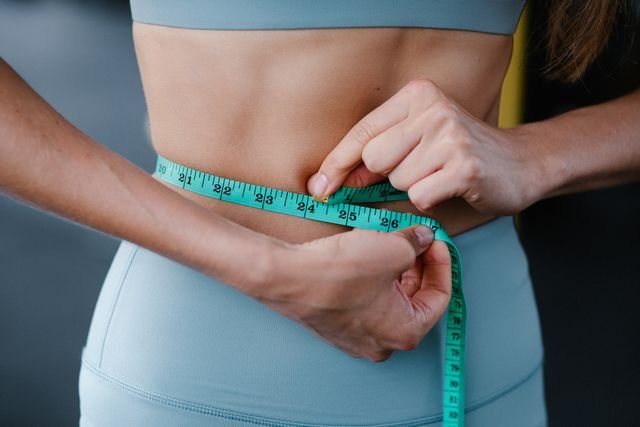
You can also monitor other signs of progress, such as waist measurements, fitness improvements, energy levels, or how your clothes fit.
What Should You Eat to Lose Weight?
No single weight-loss menu is perfect.
A nutritious weight-loss diet can include familiar everyday foods.
A simple day might look like this:
Breakfast: Eggs with whole-grain toast and fruit.
Lunch: Grilled chicken or lentils with vegetables and a moderate serving of rice or whole-grain roti.
Snack: Fruit, yoghurt, or a small portion of nuts.
Dinner: Fish, chicken, beans, or lentils with plenty of vegetables and an appropriate portion of carbohydrates.
Specific quantities should depend on your individual calorie and nutritional needs.
Most importantly, choose foods you genuinely enjoy and can continue eating. A diet that works for only seven days is less valuable than an eating pattern you can realistically maintain for months.
Common Weight-Loss Mistakes to Avoid
Trying to lose weight quickly can lead people toward unnecessary extremes.
Common mistakes include skipping meals and then overeating later, eliminating food groups without medical reason, drinking calories without accounting for them, expecting exercise to compensate for unlimited eating, following highly restrictive diets, or weighing yourself repeatedly throughout the day.
Another mistake is expecting progress to be perfectly linear.
You may lose weight one week and see little change the next. Temporary fluctuations don’t necessarily mean your plan has stopped working.
Evaluate progress over time.
Frequently Asked Questions
Can I lose weight without exercising?
Weight loss can occur through dietary changes alone if they create an energy deficit. However, physical activity provides important health benefits and can support weight management, fitness, and muscle preservation.
Combining nutritious eating with appropriate activity is generally a stronger long-term strategy than relying on diet alone.
Can I lose belly fat quickly?
You cannot reliably choose exactly where your body loses fat first. As overall body fat decreases, abdominal fat may decrease too, but genetics and individual body-fat distribution influence the process.
Exercises such as crunches can strengthen abdominal muscles, but they do not specifically burn fat only from the stomach.
Should I stop eating carbohydrates?
Not necessarily.
Foods containing carbohydrates can be part of a healthy weight-loss diet. Instead of automatically eliminating them, consider portion size, food quality, and your overall calorie intake.
Whole grains, fruits, vegetables, beans, and lentils can provide valuable nutrients and fibre.
What is the fastest way to lose weight?
The fastest approach is not necessarily the healthiest or most sustainable.
For most people, a better goal is to create a manageable calorie deficit, prioritise protein and fibre-rich foods, control portions, increase daily movement, incorporate appropriate exercise, and get adequate sleep.
Final Thoughts
If you’re searching for how to lose weight fast, remember that lasting results rarely come from extreme diets or shortcuts.
Successful weight management usually builds on simple fundamentals: eat nutritious foods in appropriate portions, consume enough protein and fibre, reduce unnecessary liquid calories, stay physically active, include strength training where appropriate, sleep well, and stay consistent.
You may want quick results, but don’t sacrifice your health to make the scale move faster.
Think beyond the next week. Build habits you could realistically continue for the next year.
When those habits become part of your normal lifestyle, losing weight becomes less about constantly being “on a diet” and more about maintaining a healthier routine.